About The Mountain

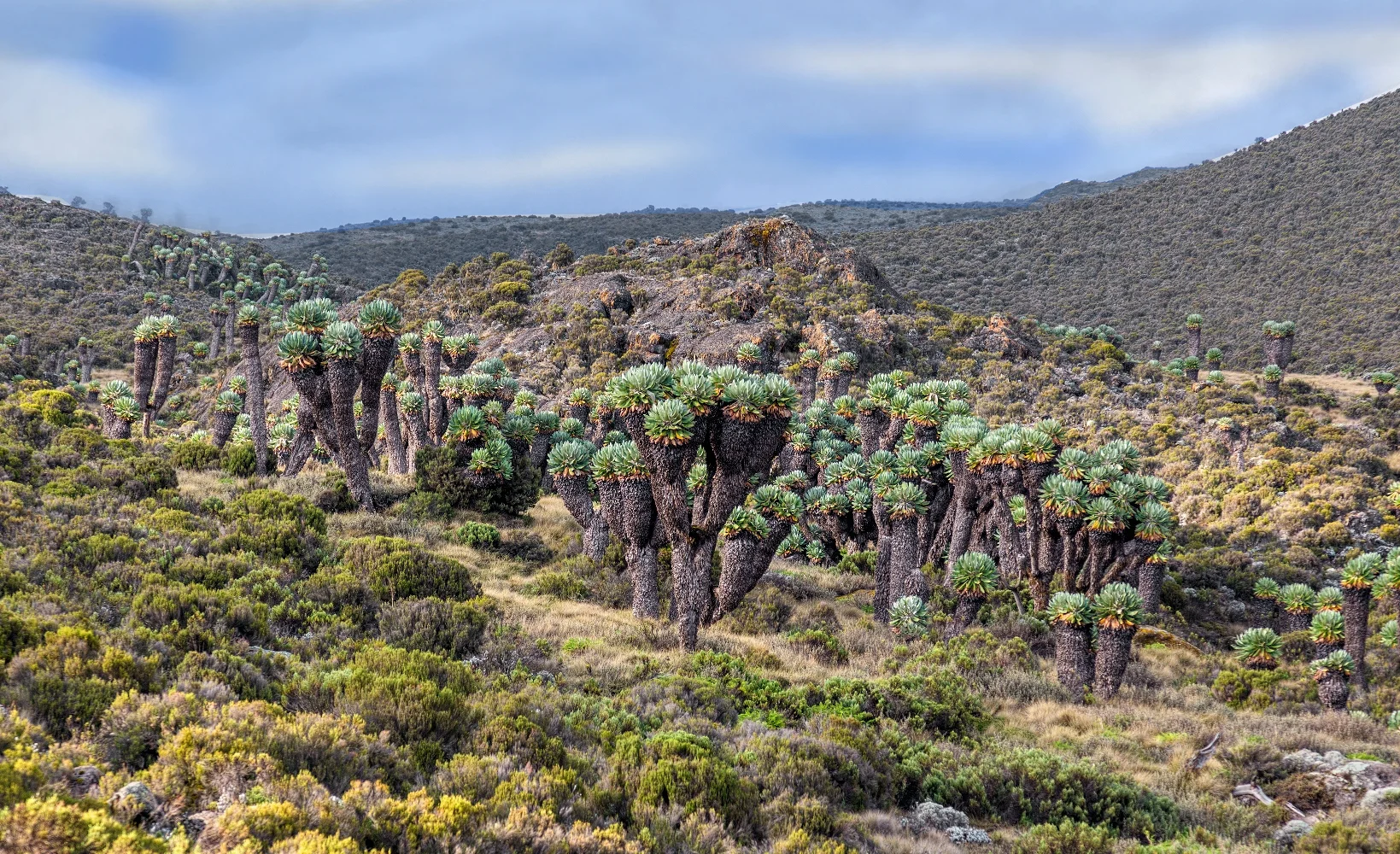
Mount Kilimanjaro is an important natural and cultural symbol of Tanzania, protected as part of Kilimanjaro National Park which is a UNESCO World Heritage Site it is one of the greatest natural wonders of Africa. It is the tallest mountain in Africa and one of the most famous mountains in the world, located in northeastern Tanzania. The mountain stands at a height of 5,895 meters (19,341 feet) above sea level, making it the tallest free-standing mountain on Earth. Kilimanjaro is a volcanic mountain made up of three cones: Kibo, Mawenzi, and Shira. Kibo is the highest and only cone that still has the famous summit, Uhuru Peak. Although Kilimanjaro is a volcano, it is currently dormant, meaning that is has not erupted in a very long time.

What you need to know

This is by far the most important part of your Kilimanjaro climb, Altitude sickness is by far the biggest factor for why summit attempts fail. You can be very physically healthy, but if your body is not used to rapid ascent then you have a much higher chance of failing.

We recommend the following routes to give your body the time necessary to adapt to the ascent.

  • Machame: good acclimatization, it is scenic but quite a bit steeper  then the next routes.
  • Lemosho: excellent acclimatization, it is a very popular route and also has a very high chance of success
  • Northern Circuit: The longest route and also the best route for acclimitization with the ascent spread over a longer distance.

Some of our routes are much more challenging and are not for beginners.

  • Marangu: Features a shorter distance but at a steeper pace with a faster ascent.
  • Umbwe: Only for experienced climbers, it features some of the steepest ascents of all the routes.

For the best chance of success we recommend choosing a longer route of around 7 – 9 days.

A rule of thumb is that the longer your stay the safer and more enjoyable the experience will be, with the ascent spread over a longer distance your body will be given more time to adapt and prevent altitude sickness.

  • 5 – 6 days has a much higher risk of altitude issues.
  • 7 days is a good balance for most people.
  • 8-9 days give you the best chance of success.

Your time is important so please factor in how much time you can spend, if possible we recommend choosing a 7 – 9 day climb.

How much hiking experience you have will greatly effect how well you handle the climb. Here are some routes we recommend based on experience.

  • Beginner: Lemosho (8 days) or Marangu (7 days) .
  • Moderate: Machame (7 days) or Lemosho.
  • Difficult: Northern Circuit or Umbwe (With caution)

Technical climbing is not required but your physical endurance matters a lot.

Making the most out of your resting time is important, higher levels of comfort allow your body to recover better then sleeping on rough terrain. Take into consideration the resting experience you want on your climb.

  • Huts instead of tents: Marangu is the only route with huts for you to rest in.
  • Camping & Wilderness feel: Lemosho, Machame and the Northern Circuit offer a more raw and natural experience.
  • Less Crowded: Northern Circuit and Rongai are less crowded then other routes.
  • Most Scenic: Lemosho and Machame are the most visually stunning routes.

The weather of Kilimanjaro varies throughout the year, our seasons offer unique challenges and different experiences as you climb from rainy season to dry season.

  • Best Months: January – March, June – October.

Rainy season April – May.

  • Rongai Route: is drier during the rainy season.
  • Machame & Lemosho can get very muddy but are still popular routes to take.

Established Routes

Choosing the best route to climb Mount Kilimanjaro depends less on “hardest vs easiest” and more on what fits your personal goals, time, and climbing experience. Here is some information that can help you decide which route to take during your Kilimanjaro climb.
Marangu Route

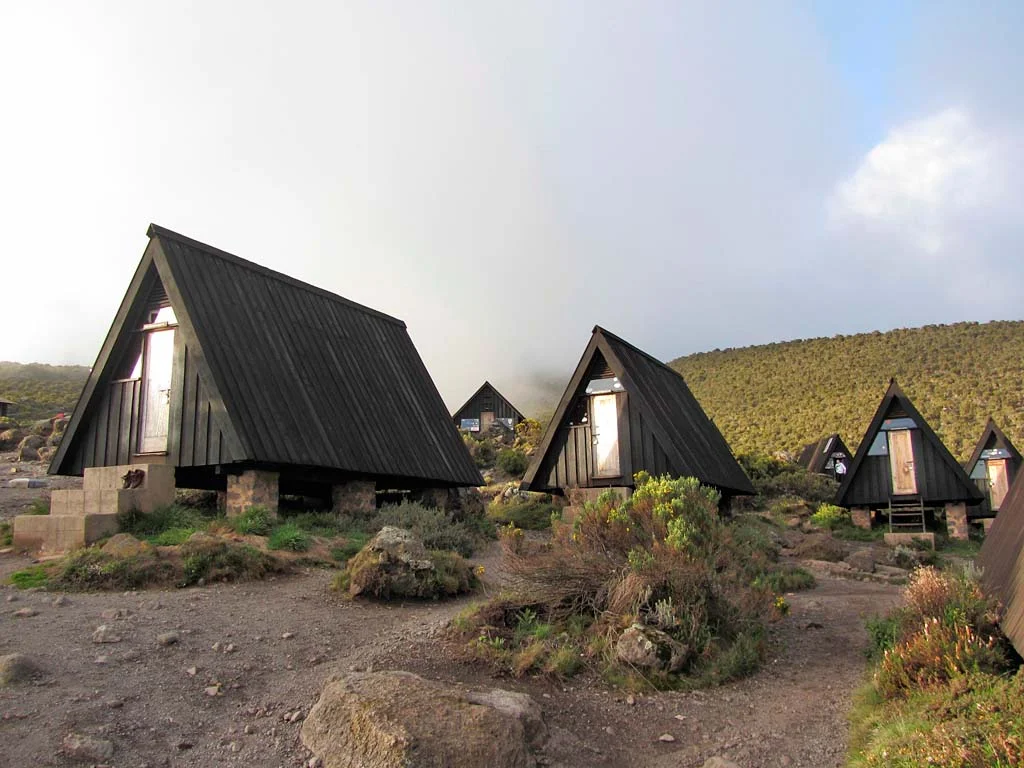
This is the only route with accomodation, it is often referred to as the “Coca-Cola Route” due to its more laid back experience.

  • Known as the “Coca-Cola Route”.
  • Only Route with hut accommodation.
  • Short and easy path.
  • Very popular with beginners.
  • Less Scenic and has a low success ratedue to poor acclimatization.

Machame Route

A Very popular route well known for it amazingly scenic views, it is often calledthe “Whiskey Route”.

  • Known as the “Whiskey Route”.
  • One of the most scenic routes.
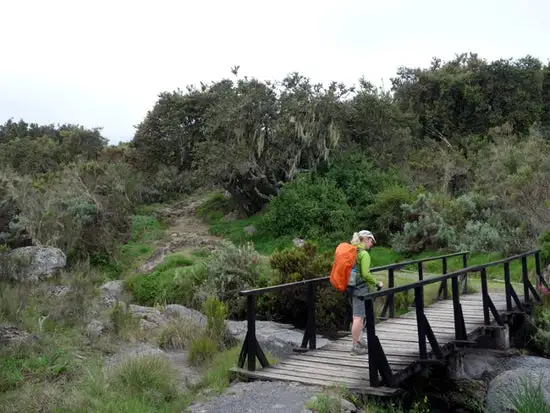
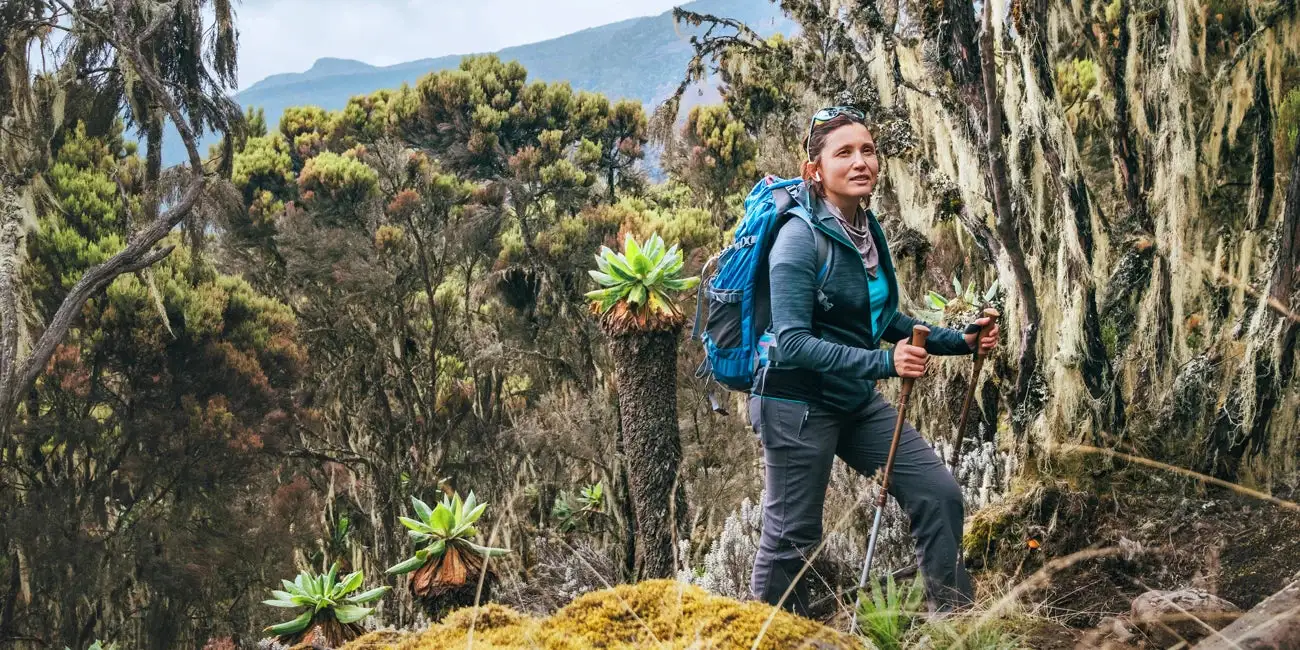
  • apsses through rainforest, moorland and alpine desert.
  • Better acclimatization than the Marangu Route.
  • Very popular and moderately difficult.
Lemosho Route

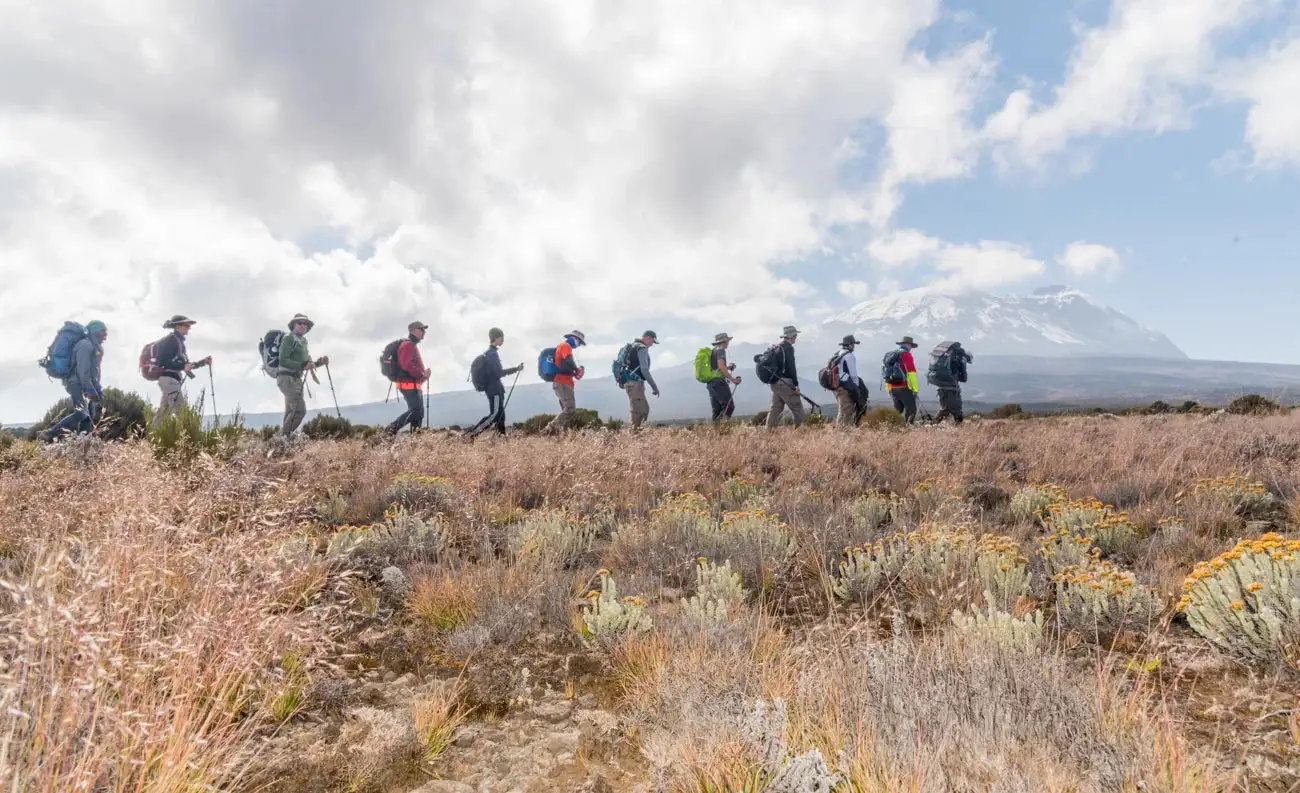
This is a longer route, great for enjoying the scenic views as you travel, This route is best for when it comes to aclimatizing as the altitude gradually increased over a longer time.

  • One of the most beautiful routes.
  • A Longer route with excellent acclimitization.
  • Starts in a lush rainforest.
  • High summit success rates.
  • Less crowded at the beginning.

Rongai Route

This route approaches the mountain from the north, starting near Kenya and making yourway south. This is mainly used during rainy season.

  • Approaches Kilimanjaro from the north.
  • Drier route with fewer crowds.
  • Good option during the rainy season.
  • Gradual clumb that is good for beginners.
  • Less scenic then western routes.

Umbwe Route

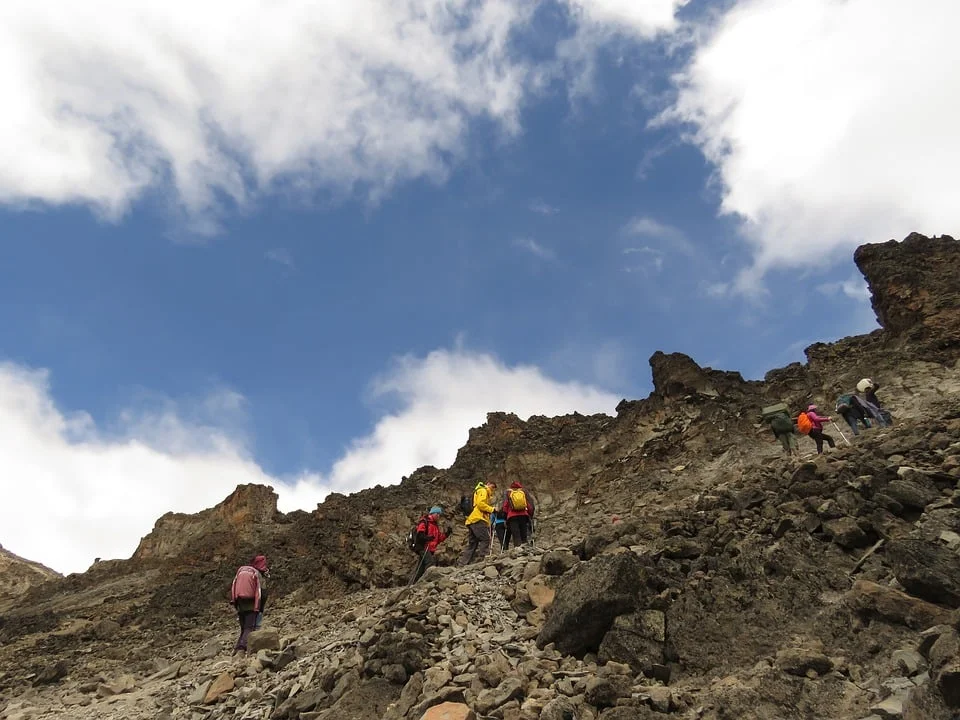
This route is not for beginners, it is very steep and physically challenging, we recommend previous climbing experience before attempting this route.

  • The steepest and most challenging route.
  • Very direct ascent.
  • Poor acclimitization.
  • Less crowded and much more physically demanding.
  • best for experienced climbers, this route is not suitable for beginners.
Northern Circuit Route

This is the longest of the routes, offering the best acclimatizing experience as the ascent is spread over a longer distance.

  • Longest route on Kilimanjaro.
  • Best route for acclimitization.
  • Very high summit success rate.
  • Offers 360° views of the mountain.
  • Least crowded route.